
Introduction: Halal Concerns Around Manuka Honey
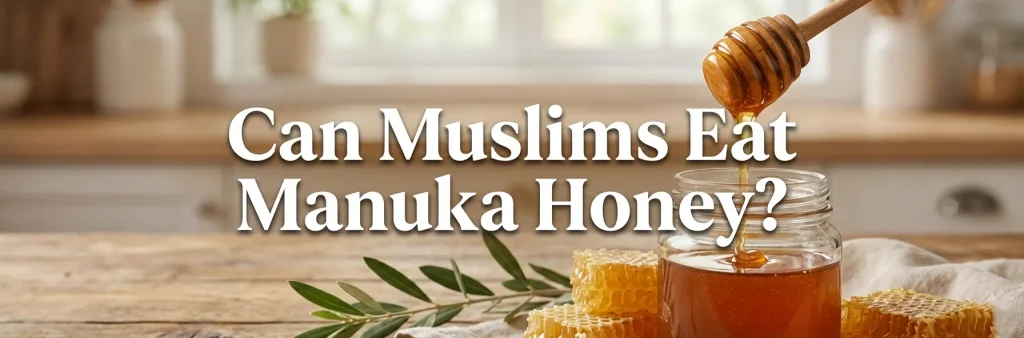
As awareness around halal food, clean eating, and organic wellness continues to grow in Pakistan, many Muslim consumers are asking deeper questions about imported health products. One common question is: Can Muslims eat Manuka honey? This concern is especially relevant for people searching for the Best Organic Honey in Pakistan, as Manuka honey is often marketed as a premium, medicinal-grade product with extraordinary benefits.
Manuka honey is not native to Pakistan and is usually imported from New Zealand or Australia, which naturally raises questions about halal status, sourcing, processing methods, and overall permissibility in Islam. This article explores the issue in depth—combining Islamic principles, food science, and consumer awareness—to help Muslims make informed and confident choices.
What Is Manuka Honey?
Manuka honey is a special type of honey produced by bees that pollinate the Manuka bush (Leptospermum scoparium), a plant native to New Zealand and parts of Australia. What sets Manuka honey apart from regular honey is its high concentration of methylglyoxal (MGO), a naturally occurring compound associated with antibacterial properties.
Unlike floral honey varieties common in Pakistan—such as sidr, acacia, or mustard—Manuka honey is typically:
- Darker in color
- Thicker in texture
- Stronger in taste
- Significantly more expensive
Because of its medicinal marketing, it is often sold through pharmacies and health stores rather than traditional food markets.
The Islamic Perspective on Honey
Honey in the Quran and Sunnah
Honey holds a highly respected status in Islam. It is explicitly mentioned in the Quran:
“From their bellies comes a drink of varying colors in which there is healing for people.” (Surah An-Nahl 16:69)
The Prophet Muhammad ﷺ also recommended honey for healing purposes, making it a widely accepted and encouraged natural food in Islamic tradition.
General Ruling on Honey in Islam
From an Islamic jurisprudence perspective:
- Honey is halal by default
- Bees are halal creatures
- Honey is not considered an intoxicant
- It is not derived from prohibited animals
Therefore, standard natural honey is permissible for Muslims without doubt.
Does Manuka Honey Change the Halal Status?
This is where deeper analysis is required.
1. Source of Manuka Honey
Manuka honey is produced by bees, just like all other honey. The bees collect nectar from Manuka flowers, not from any haram source. From a source perspective, Manuka honey remains halal.
2. Processing and Filtration
The halal concern does not usually come from the honey itself—but from processing methods. Some Manuka honey brands:
- Heat honey excessively
- Ultra-filter pollen
- Blend batches from different regions
- Use alcohol-based cleaning agents in facilities
If alcohol is not present in the final product, most scholars still consider the honey halal. However, transparency from the brand becomes very important.
Is UMF or MGO Rating a Halal Issue?
Manuka honey is often labeled with:
- UMF (Unique Manuka Factor)
- MGO (Methylglyoxal level)
These are testing standards, not additives. They measure naturally occurring antibacterial compounds in the honey. From an Islamic perspective:
- These ratings do not affect halal status
- They are lab measurements, not chemical additions
So UMF and MGO themselves pose no halal concern.
Is Imported Honey Halal for Muslims in Pakistan?
Imported food items are halal unless proven otherwise. However, Muslim consumers should be cautious if:
- Ingredients are unclear
- Processing information is hidden
- No halal certification or assurance is provided
This is why many people prefer locally sourced organic honey or trusted herbal brands when looking for the Best Organic Honey in Pakistan.
Natural Honey vs Medicinal Marketing
One important issue with Manuka honey is over-commercialization. Many brands market it as:
- A medical treatment
- A pharmaceutical alternative
- A “superfood”
Islam encourages moderation and discourages deception. If honey is altered, blended, or falsely labeled for profit, that becomes an ethical issue—even if the base ingredient is halal.
Why Some Scholars Advise Caution
While Manuka honey itself is halal, some scholars advise Muslims to:
- Avoid excessively processed versions
- Be cautious of imported brands without transparency
- Prefer honey that remains close to its natural form
This advice is based on ethical consumption, not prohibition.
Local Organic Honey vs Manuka Honey
Pakistan is rich in natural honey varieties:
- Sidr (Beri)
- Acacia
- Mustard
- Wild forest honey
These varieties:
- Are naturally raw
- Are less processed
- Support local beekeepers
- Align closely with Sunnah-based nutrition
For many consumers, these options are more accessible and trustworthy than expensive imports.
The Role of Trusted Herbal Brands
Herbal Giza emphasizes natural sourcing, minimal processing, and transparency—values that align strongly with Islamic principles of halal, tayyib (pure), and ethical consumption.
Brands that focus on:
- Ingredient clarity
- Honest labeling
- Traditional wellness
help Muslim consumers make confident food choices without confusion.
Can Manuka Honey Be Considered Tayyib?
In Islam, food should be halal and tayyib (pure, wholesome, beneficial).
Manuka honey can be considered tayyib if:
- It is genuine
- Free from harmful processing
- Consumed in moderation
- Not falsely marketed
However, high price and heavy branding do not automatically make it superior to natural local honey.
Health Benefits: Are They Unique to Manuka Honey?
Manuka honey is known for antibacterial activity—but many raw Pakistani honeys also offer:
- Antioxidant support
- Digestive benefits
- Immune strengthening
- Wound healing properties
The difference often lies in marketing and testing, not necessarily in real-world benefit for everyday use.
Making an Informed Muslim Consumer Choice
Before buying Manuka honey, ask:
- Is the brand transparent?
- Is the honey raw or heavily processed?
- Is halal compliance clearly stated?
- Is there a local alternative with similar benefits?
Islam encourages wisdom, balance, and responsibility in spending.
Final Verdict: Can Muslims Eat Manuka Honey?
Yes—Muslims can eat Manuka honey, provided it is:
- Pure
- Free from haram additives
- Ethically processed
That said, many consumers in Lahore and across the country still prefer local, organic options when seeking the Best Organic Honey in Pakistan, as these products are closer to nature, easier to verify, and deeply rooted in Islamic and cultural traditions.
FAQs
1. Is Manuka honey halal in Islam?
Yes, Manuka honey is halal as it is produced by bees and contains no inherently haram ingredients.
2. Does Manuka honey contain alcohol?
Natural Manuka honey does not contain alcohol, but processing practices should always be checked.
3. Is UMF-certified honey permissible for Muslims?
UMF is a quality rating, not an additive, and does not affect halal status.
4. Can Muslims use Manuka honey for medicinal purposes?
Yes, as long as it is pure and used responsibly.
5. Is Manuka honey better than local Pakistani honey?
Not necessarily; many local honeys offer similar benefits with less processing.
6. Why is Manuka honey so expensive?
Limited production, export costs, and heavy branding contribute to its price.
7. Is raw honey more Islamic than processed honey?
Raw honey aligns more closely with Islamic principles of tayyib (purity).
8. Can children consume Manuka honey?
Children over one year of age can consume it safely.
9. Should Muslims prefer halal-certified honey only?
Certification helps, but transparency and ingredient clarity are equally important.
10. What is a safer alternative to imported honey in Pakistan?
Locally sourced organic honey from trusted herbal brands is often a reliable choice.